




Today, 20 November 2026, people across Brazil and throughout the global diaspora mark Black Consciousness Day (Dia da Consciência Negra). In Portuguese, the greeting exchanged between friends and family members is “Feliz Dia da Consciência Negra!” Officially designated as the National Day of Zumbi and Black Consciousness (Dia Nacional de Zumbi e da Consciência Negra), the date commemorates the death of Zumbi dos Palmares on 20 November 1695. Zumbi led the Quilombo dos Palmares, an independent settlement of escaped enslaved Africans and marginalised peoples that resisted Portuguese rule for decades.
In the United Kingdom, especially in London, the Afro-Brazilian diaspora gathers today to mark the date through cultural gatherings and talks connecting life in Britain with ancestral heritage in Brazil.
The origins of the November commemoration
The observance began in 1971 in the southern city of Porto Alegre, Rio Grande do Sul. The poet and activist Oliveira Silveira, working with fellow members of the Grupo Palmares, developed the idea of creating a dedicated day of reflection. They suggested 20 November as an alternative to 13 May, which markks the signing of the Lei Áurea in 1888 by Princess Isabel.
The founders of Grupo Palmares saw 13 May as an imperial date centred on royal benevolence. By selecting 20 November, the anniversary of the death of Zumbi dos Palmares, Oliveira Silveira and his peers established a commemoration dedicated to self-emancipation, African leadership, and resistance against colonial rule. Their goal was to honour the historical figures who fouhgt directly against enslavement.
Over subsequent decades, grass-roots mobilisation brought the commemoration into school curricula across Brazilian states. The national status of the date was consolidated when the Brazilian federal government enacted Federal Law No. 14,759 in December 2023, establishing 20 November as a nationwide public holiday throughout Brazil.
Historical tributes on this day also honour Dandara dos Palmares. As an Afro-Brazilian warrior and leader within the Quilombo dos Palmares, Dandara participated in protecting the settlement and opposed agreements that compromised the freedom of its residents. The legacies of Zumbi and Dandara continue to guide educational panels and cultural commemorations.
Traditions across Brazil during Novembro Negro
Throughout Brazil, Black Consciousness Day features cultural gatherings, lectures, and civic demonstrations. Gatherings take place in metropolitan centres including São Paulo, Rio de Janeiro, Recife, and Salvador. Public squares, cultural centres, and auditoriumms host lectures, capoeira presentations, samba rodas, and marches against racial discrimination.
In the state of Bahia, the city of Salvador marks an expanded commemorative calendar. The local community designates the whole month of November as ‘Novembro Negro’ (Black November). Salvador, which has a large Afro-descendant population, holds educational panels, community gatherings, and traditional musical processions throughout the month to honour ancestral identity.
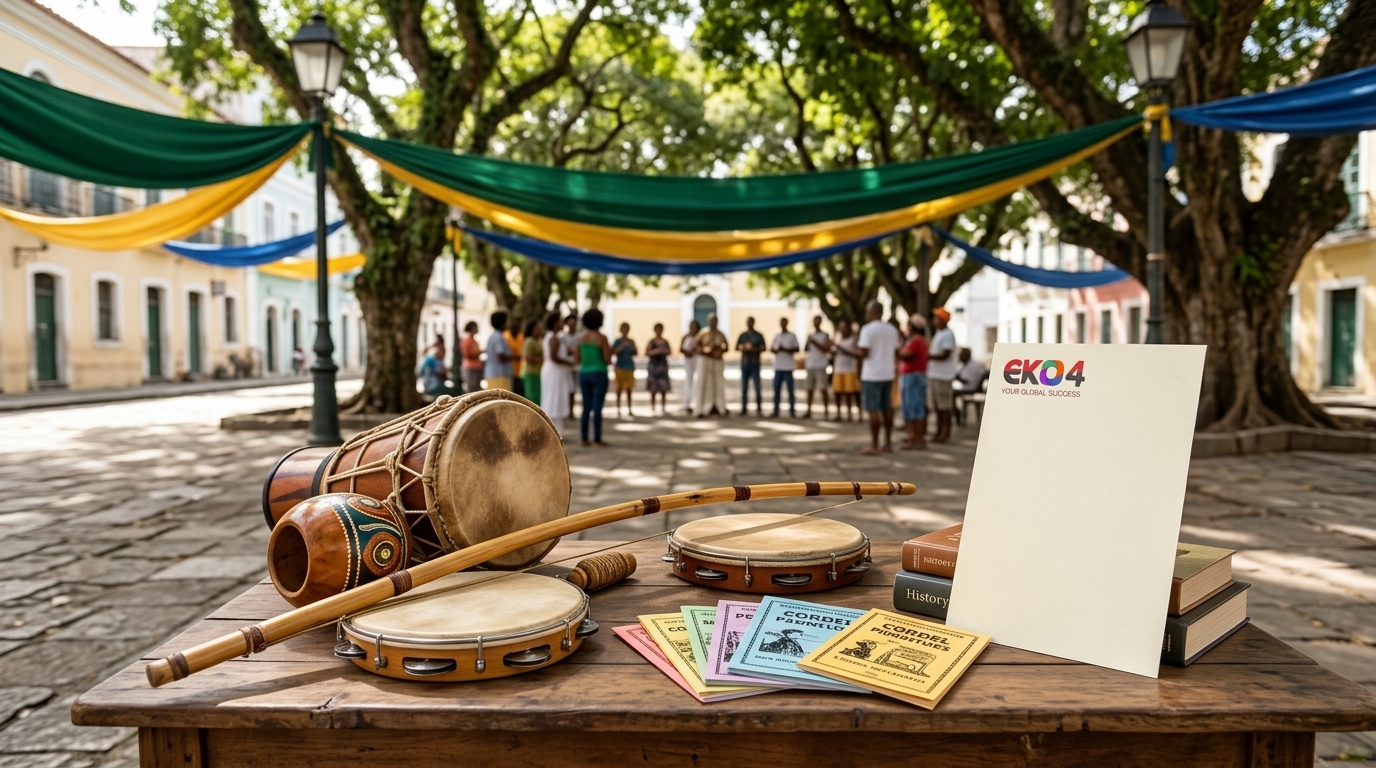
Musical traditions make up an integral part of these observances. Capoeira mestres bring together their students in open circles, playing the berimbau and drums as they execute movements developed by enslaved Africans. Sambistas meet in traditional rodas de samba to perform compositions that recount the history of freedom and community life. In Salvador and Recife, percussion groups perform in the streetts to honour the contributions of African ancestors to Brazilian music and civic culture.
Afro-Brazilian diaspora gatherings in London
In the United Kingdom, Brazilian residents observe Black Consciousness Day through cultural and academic gatherings, particularly in London. Afro-Brazilian cultural organisations and community groups host events that introduce British audiences to the history of Palmares and provide Brazilian expatriates with a space for reflection.
Capoeira groups acoss London run workshops and demonstrations to mark 20 November. Practitioners gather in rodas to celebrate the heritage of Zumbi and the quilombolas who practised capoeira as a method of self-defence and cultural expression during colonial rule. These sessions are accompanied by traditional songs sung in Portuguese that recount ancestral history and journeys of freedom.
Community events also feature readings of Afro-Brazilian poetry. Organisers share the works of Oliveira Silveira and other Black Brazilian writers whose texts explore ancestral roots and cultural memory. In addition, community centres organise discussion panels known as rodas de conversa. During these discussion circles, participants examine diaspora experiences, explore their ancestral heritage, and talk about the ongoing legacy of Zumbi and Dandara dos Palmares within British society.
Brazilian documents required by British institutions
Brazilian nationals who move to the United Kingdom to study or work must complete administrative paperwork, as UK authorities require foreign records translated into English.
When submitting official paperwork isused in Brazil, people must provide certified translations of their original Portuguese language documents. The Home Office and UK Visas and Immigration (UKVI) require certified translations of civil status paperwork for immigration paperwork. HM Passport Office and local register offices request translated birth certificates, marriage certificates, and adoption records when residents register life events across the United Kingdom.
Academic progression in Britain also relies on formal translation. UK universities, colleges, and professional assessment bodies need translated records of Brazilian education before admitting students or validating qualifications. Prospective students must submit certified translations of seconadry school certificates, university diplomas, and academic transcripts from Brazilian institutions.
Everyday administration needs additional documentation. The Driver and Vehicle Licensing Agency (DVLA) requests certified translations of Brazilian driving licences from motorists driving in Britain. Patients transferring healthcare records require clinical notes and vaccination histories translated into English. Furthermore, Brazilian entrepreneurs and businesses operating in the UK submit translated contracts and commercial registry documents to UK courts and statutory agencies.
Certified translation support from EKO 4 Translations UK
Official procedures in the United Kingdom do not accept unofficial translations made by family members or uncertified translators. Public authorities require a certified translation that bears an official statement confirming that the text is an accurate and complete rendering of the original Brazilian document.
EKO 4 Translations UK produces certified translations of personal and business documents according to the specifications set out by the Home Office, the DVLA, register offices, universities, employers, and UK courts. For judicial proceedings or sepcific administrative requests that require an additional tier of verification, EKO 4 organises notarised translation, where the translator’s statement is sworn before a solicitor or notarised by a public notary.
Requirements also apply to documents moving from the United Kingdom to Brazil. British certificates, contracts, and court orders must be translated into Portuguese for Brazilian authorities, courts, and cartórios.
To support international administrative processes, EKO 4 provides the Foreign, Commonwealth and Development Office (FCDO) apostille on our translations. Under this process, our translator’s declaration is sworn before a solicitor or notarised, and the FCDO attaches an apostille which confirms the official signature. When an original UK document requires legalisation, the client applies directly to the FCDO for the apostille on the original certificate before we complete the translation.
Anyone requiring document translation can ask for a free estimate online. Clients can also order a translation online by sendding digital copies of their documents.
Through capoeira rodas, poetry readings, and cultural gatherings in London, Black Consciousness Day celebrates ancestral heritage while Brazilians in the UK build their education, businesses, and family life.


