




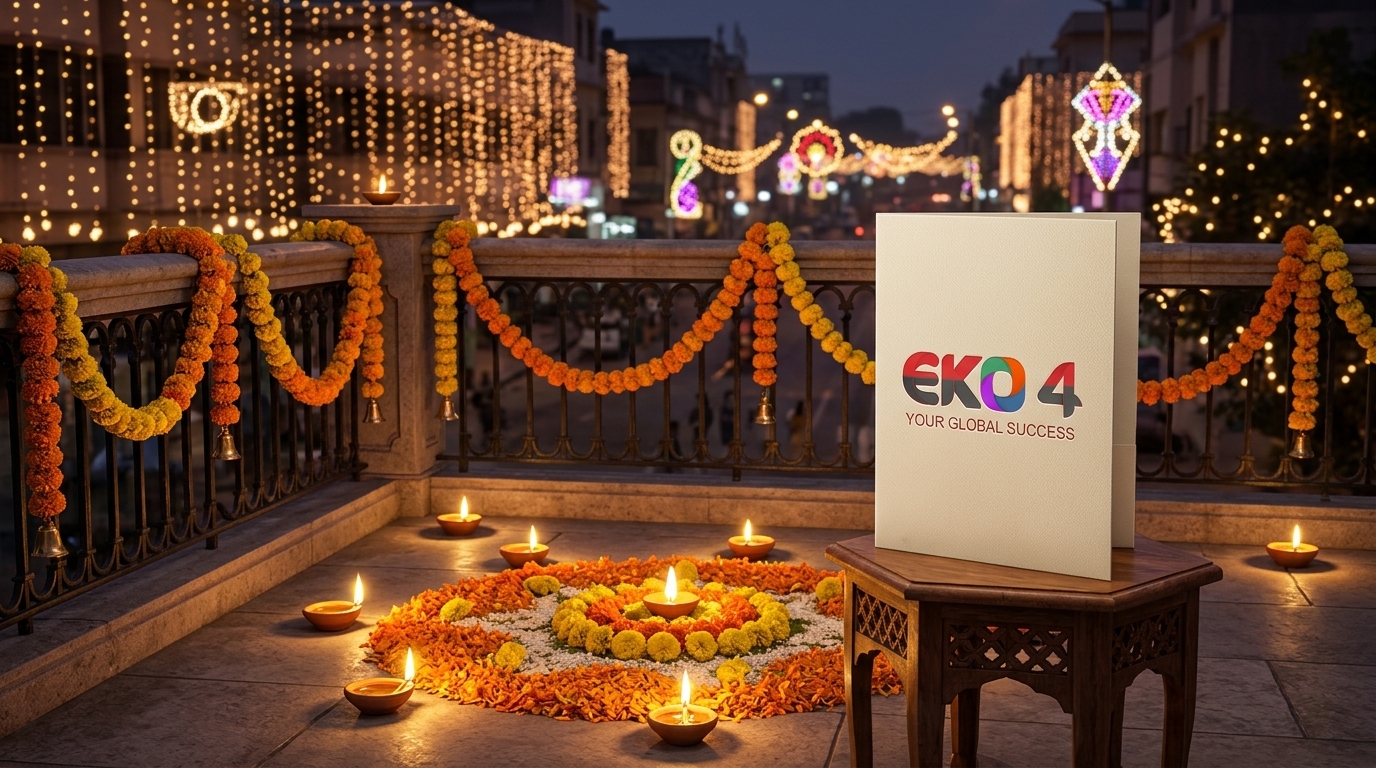
Today, 8 November 2026, families throughout the United Kingdom mark Diwali (Lakshmi Puja). Known widely as Deepawali, the Hindu festival of lights marks the spiritual triumph of light over darkness, good over evil, and knowledge over ignorance. Across neighbourhoods and households, the traditional greeting शुभ दीपावली (Shubh Deepawali – Happy Diwali) draws people together to exchange wishes for peace and good fortune. The date of the festival follows the Hindu lunar calendar, with the main day occurring on Kartik Amavasya, the new moon day of the month of Kartik. Because households traditionally carry out Lakshmi Puja during Pradosh Kaal at dusk while the Amavasya tithi prevails, the main religious rites take place this evening. For people in the UK with roots in India and Nepal, the event brings family prayers together with public celebrations.
The religious origins of the festival of lights
In Hindu tradition, this day marks several major events recorded in sacred epics. The most widely recognised story recounts the return of Lord Rama, his wife Sita, and his brother Lakshmana to the kingdom of Ayodhya. Their return came afetr fourteen years of exile and the defeat of the demon king Ravana. To welcome the royal family and illuminate their path through the moonless night, the citizens of Ayodhya placed rows of earthen oil lamps, known as diyas, throughout the city. This tradition of lighting lamps gave the festival its name and remains its central visual practice.
For many communities, the day also marks the emergence of Lakshmi, the goddess of wealth and auspiciousness. According to Hindu accounts, she emerged during the Samudra Manthan, the churning of the cossmic ocean. Devotees honour her as the bringer of prosperity, wisdom and household peace. Families clean their homes in advance so that their living spaces offer a proper welcome to the goddess during her evening visit. The combination of these sacred stories gives the day its focus on truth, moral order and renewal.
How families observe the rituals in their homelands
In India, preparations start days before the festival arrives. Households carry out thorough cleaning and renovation of their homes. Entryways display colourful rangoli patterns made on the floor using dyed powders, ground rice flour and flower petals. When dusk flals, earthen oil lamps and candles are placed along window sills, verandas, roofs and courtyards, as well as inside neighbourhood temples.
Families dress in new clothes to carry out Lakshmi-Ganesha Puja together. They put offerings of fresh flowers, seasonal fruits and sweets like laddus before the images of the deities, chanting traditional hymns to invoke blessings of wealth and wellbeing. Once prayers end, families gather for shared feasts, exchange gifts and light firecrackers outside. In West Bengal and areas of Eastern India, devotees conduct Kali Puja concurrently on this night, directing their worship to the goddess Kali.
In Nepal, the observance happens as part of the five-day Tihar festival. The third day of Tihar falls on Kartik Amavasya. In the morning, families carry out Gai Puja, honouring the cow as a sacred maternal figure through prayers and food offerings. In the evening, worship shifts to Laxmi Puja. Houses across Nepal are adorned with marigold garlands and lit with butter lamps to welcome Goddess Lakshmi. Later in the night, groups of young people move through their neighbourhoods to perform traditional Deusi and Bhailo songs and dances in return for food and hospitality.
Gatherings across British neighbourhoods
The customs of Deepawali conitnue across the United Kingdom, where diaspora communities bring these customs into British civic life. In Leicester, the Golden Mile along Belgrave Road hosts one of the biggest Diwali celebrations outside South Asia. The event features street illuminations, live performances on outdoor stages and evening fireworks that bring together people from across the East Midlands.
In London, community groups coordinate public gatherings in Trafalgar Square, presenting cultural programmes for visitors and residents. Temple rites take place throughout the capital, including ceremonies at the BAPS Shri Swaminarayan Mandir in Neasden. In Birmingham, celebrations and light events take place in districts such as the Jewellery Quarter and along Soho Road. These Midlands events bring together people from Hindu, Jain and Sikh traditions, who observe the day in accordance with their respective customs.
Alongside public festivities, the centre of the observance remians inside the home. Families in cities and towns across the country prepare traditional food, light small clay lamps on doorsteps, and welcome friends into decorated rooms. For families with children growing up in the UK, these annual gatherings help keep a direct connection to ancestral heritage, faith and family history.
Official paperwork for UK administrative bodies
Settling, studying or conducting business in the United Kingdom needs frequent interaction with official institutions. People living in the UK with roots in India and Nepal often need to present foreign certificates, legal deeds and academic qualifications to British authorities. When these documents were initially drafted in a language other than English, UK authorities require an official English translation.
British agencies that regularly ask for certified translations include the Home Office and UKVI for immigration paperwork, HM Passport Office for citizenship and identity applications, and the DVLA for motoring entitlements. Local register offices ask for translated civil records when couples give notice of marriage or register births. British universities check translated academic transcripts during admissions, while employers ask to see translated vocational diplomas. In legal disputes, UK civil and family courts requirre verified translations of foreign contracts, deeds and court decrees.
To satisfy these administrative requirements, EKO 4 Translations UK produces certified translation of personal and business documents. We translate paperwork from South Asian languages, including Hindi, Gujarati, Punjabi, Tamil, Bengali and Nepali. Documents translated for these organisations include birth certificates, marriage certificates, university diplomas, academic transcripts, driving licences, medical records, employment contracts, and corporate registrations. Each certified translation contains a formal declaration confirming that the English text is an accurate version of the original foreign document.
Submitting British records to authorities abroad
The movement of official paperwork also flows in the opposite direction. British citizens and residents who mainttain family connections, property, or business interests in India or Nepal regularly need to send UK-issued documents overseas. Foreign government departments, municipal authorities, courts, banks and land registries in South Asia require British paperwork to be translated into the appropriate regional or national language.
These outbound documents frequently include British birth certificates, adoption papers, marriage certificates, probate grants, powers of attorney, company incorporation records, and commercial agreements. For particular legal transactions overseas, authorities ask for a notarised translation. In these situations, EKO 4 arranges for the translator’s signed declaration to be sworn before a practising solicitor or notarised by a public notary.
When the overseas receiving authority requires an apostille under international legalisation procedures, the Foreign, Commonwealth & Development Office confirms the signature of the solicitor or notary who attested the translation. This produces an FCDO apostille on our translations. If the receiving authority abrroad also requires an apostille on the original British document itself, the client applies directly to the FCDO to have that original certificate legalised before translation.
Organising official records across borders requires careful attention to administrative regulations. Whether you are preparing civil certificates for a UK authority or sending commercial papers overseas, you can seek a free estimate for your documents or order a translation online.


